 By Effective Eco
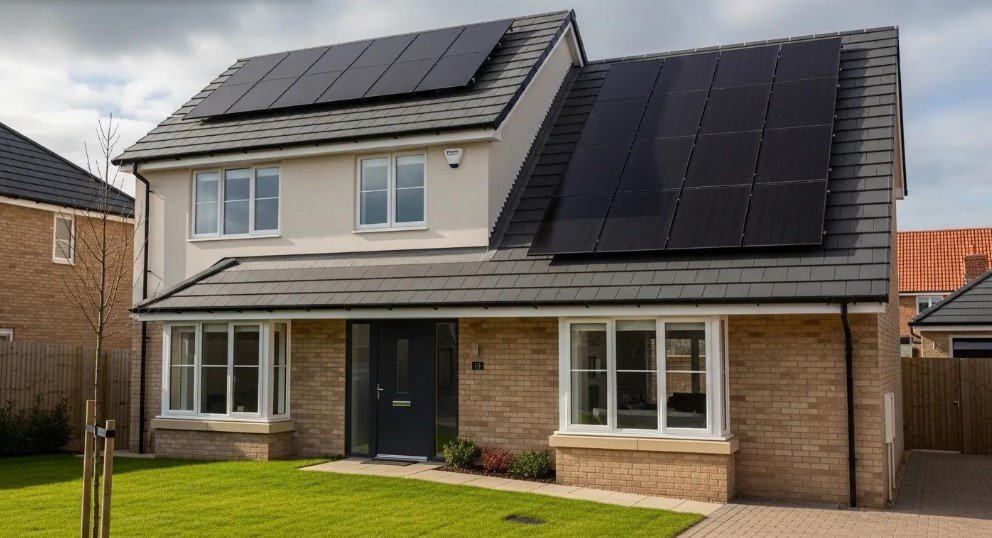
How Much Do Solar Panels Cost in UK?
Solar energy is becoming an increasingly popular choice for homeowners across the United Kingdom. With electricity bills remaining a major household expense, many people are considering solar panel installation as a way to generate their own electricity, reduce dependence on the National Grid and make their homes more energy-efficient.
However, one of the first questions homeowners ask before investing in Renewable Energy Solutions is: How much do solar panels cost in the UK in 2026?
The total cost depends on several factors, including the number of solar panels, system capacity, roof condition, installation requirements, inverter selection and whether you want additional solar battery storage.
In 2026, a typical 4kW residential solar panel system costs approximately £6,200–£8,000, including installation. A larger system or one with battery storage will require a higher initial investment.
This article explains the average solar panel installation cost in the UK, prices by system size, battery costs, installation expenses, potential electricity bill savings, available financial support and the expected payback period.
Whether you own a small terraced house or a large detached property, understanding these costs can help you choose a suitable solar energy system.
How Much Do Solar Panels Cost in the UK in 2026?
The average cost of solar panels in the UK depends mainly on the system’s electricity-generating capacity, measured in kilowatts peak (kWp).
A smaller system may be suitable for a property with relatively low electricity consumption, while a larger household may need more panels to meet its energy requirements.
According to the Energy Saving Trust, a typical 4.5kWp domestic solar installation costs around £7,600. Other 2026 pricing benchmarks place a standard 4kW installation at approximately £8,000. Actual quotations vary depending on the property and installation specifications. Energy Saving Trust+2
Average solar panel installation prices in 2026
The following table provides Solar Panel Installation UK and indicative UK residential installation costs. These are budgeting estimates, not fixed prices.
| Solar system size | Approx. number of panels* | Estimated installation cost |
|---|---|---|
| 2kW | 5–6 | £3,500–£4,500 |
| 3kW | 7–8 | £4,800–£6,000 |
| 4kW | 9–10 | £6,200–£8,000 |
| 5kW | 11–12 | £7,700–£9,000 |
| 6kW | 13–15 | £9,300–£11,000 |
| 8kW | 18–19 | £12,000–£14,000 |
| 10kW | 22–24 | £14,000–£17,000 |
*Panel quantities assume modern panels rated at approximately 400–450W. Prices are indicative estimates for solar-only systems, including standard installation. Complex roof work and additional equipment may cost extra.
The actual quotation may differ according to the installer, panel manufacturer, system design, scaffolding requirements and electrical work.
What is the average cost per solar panel?
Individual solar panels do not have a single fixed installation price. Their cost depends on the manufacturer’s brand, power rating, efficiency and technology.
For example, a homeowner choosing premium high-efficiency panels may pay more than someone selecting standard residential modules.
It is important to compare the total installed system price rather than looking only at the purchase price of individual panels.
Solar Panel Costs by Property Size
The size of your property can influence the number of solar panels you need. However, the number of bedrooms alone does not determine the correct system size.
Your household’s electricity consumption, roof space, daily energy usage and future requirements are more important when designing a system.
Here is an estimated breakdown of residential solar panel costs in the UK.
| Property size | Suggested system size | Estimated solar-only cost |
|---|---|---|
| 1-bedroom property | 1.5–2kW | £3,000–£4,500 |
| 2-bedroom property | 2.5–3kW | £4,500–£6,000 |
| 3-bedroom property | 3.5–4.5kW | £6,000–£8,500 |
| 4-bedroom property | 5–6kW | £7,700–£11,000 |
| 5-bedroom property | 6–8kW | £9,300–£14,000 |
These figures are indicative rather than fixed property-size prices. A three-bedroom household with high electricity consumption might need a larger system than a four-bedroom household with lower consumption.
Solar panels for a 2-bedroom house
A smaller household may find a 2.5–3kW solar system sufficient for its electricity requirements.
The installation may include approximately seven or eight modern solar panels, depending on their individual wattage.
Before purchasing, consider your electricity bills, daytime energy usage and available roof space.
Solar panels for a 3-bedroom house
A 3-bedroom property may require approximately 3.5–4.5kW of solar capacity.
This system can help generate electricity for everyday household activities, including lighting, cooking, washing machines and other electrical appliances.
Homeowners who want to use more solar electricity during the evening may also consider adding battery storage.
Solar panels for a 4-bedroom house
A four-bedroom household may require a 5–6kW system, particularly when several people use electricity throughout the day.
A larger system can generate more electricity, provided the roof has sufficient suitable space and the installation is appropriately designed.
How Much Does Solar Battery Storage Cost in the UK?
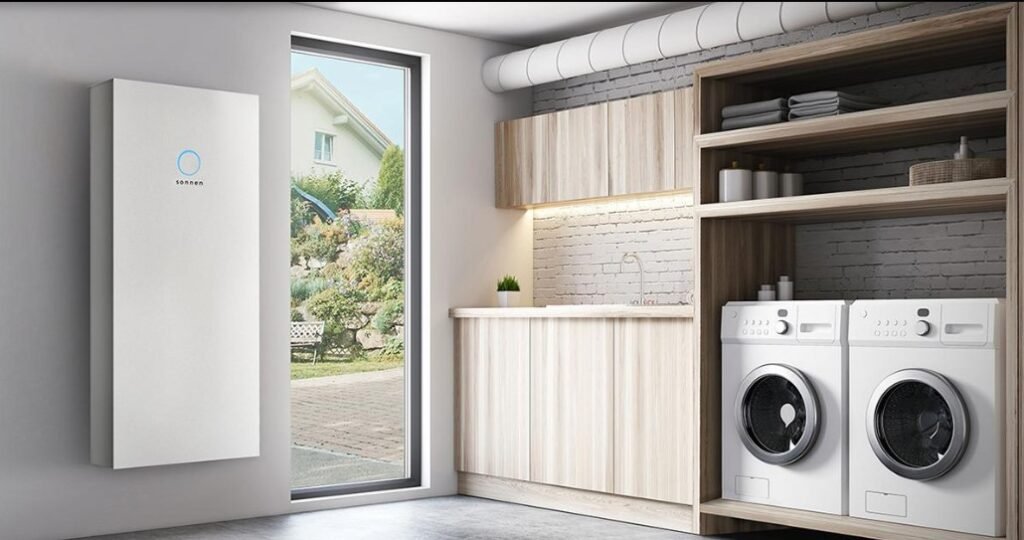
Solar panels generate electricity during daylight hours, but household electricity demand does not always match solar generation.
For example, your solar system might generate surplus electricity during the afternoon when nobody is at home. Without storage, unused electricity may be exported to the grid.
A solar battery storage systems allows you to store some of this surplus electricity and use it later, such as during the evening or early morning.
Average solar battery storage prices
The following figures are indicative 2026 budgeting ranges for residential battery installations.
| Battery capacity | Estimated installed cost |
|---|---|
| 3–5kWh | £2,500–£4,500 |
| 5–8kWh | £4,000–£6,500 |
| 8–10kWh | £5,000–£8,000 |
| 10–12kWh | £6,000–£9,000 |
| 12–15kWh | £7,000–£11,000 |
Actual prices depend on battery chemistry, manufacturer, usable capacity, inverter compatibility and installation requirements.
Total solar panel and battery installation cost
Adding a battery increases the initial investment, but it can also increase the amount of solar electricity you use yourself.
| Solar system | Battery capacity | Estimated combined cost |
|---|---|---|
| 3kW | 5kWh | £8,000–£10,500 |
| 4kW | 5–8kWh | £10,000–£14,500 |
| 5kW | 8–10kWh | £12,000–£17,000 |
| 6kW | 10–12kWh | £15,000–£20,000 |
| 8kW | 10–15kWh | £18,000–£25,000 |
These are broad planning estimates. The final price depends on whether the battery is installed alongside a new solar system or added to an existing installation.
Is solar battery storage worth the investment?
A battery may be particularly useful if:
- You use a significant amount of electricity in the evening.
- Your property generates more solar electricity than it consumes during daylight hours.
- You want to reduce electricity imports from the grid.
- You have an electric vehicle or other high-energy appliances.
- You want to take advantage of suitable time-of-use electricity tariffs.
However, battery storage is not automatically the most economical option for every household. Compare the additional purchase cost with the expected savings over the battery’s useful life.
What Factors Affect Solar Panel Installation Costs?
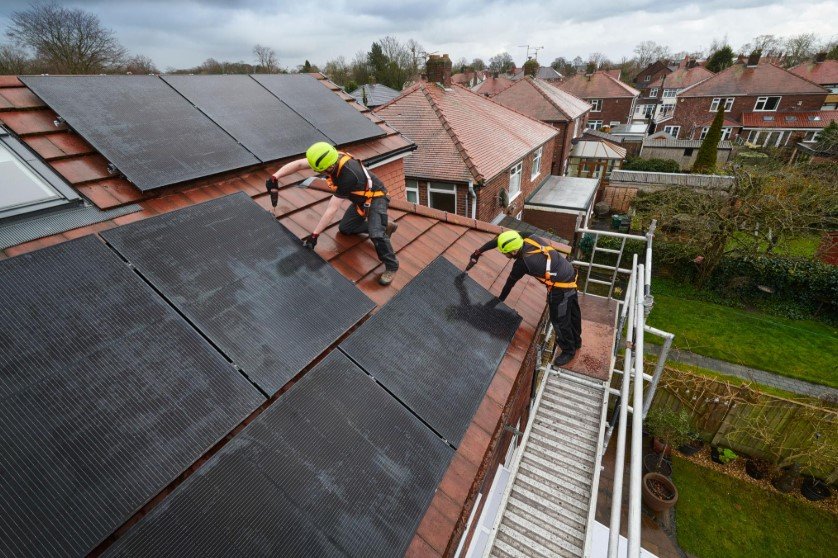
The cost of solar panels in the UK varies between properties because every installation has different technical requirements.
Understanding these factors can help homeowners or Commercial Solar Installation compare quotations and avoid unexpected expenses.
Solar panel quality and efficiency
Solar panels are available in different technologies and efficiency ratings.
Some panels generate more electricity from the same amount of roof space, making them suitable for smaller roofs.
Premium panels may have a higher purchase price, but their performance, product warranty and degradation rate should also be considered.
Solar system capacity
The total capacity of your solar system is one of the biggest cost factors.
A 6kW system generally requires more panels, mounting equipment and electrical components than a 3kW system.
However, larger installations may have a lower cost per kilowatt because certain installation expenses are shared across the system.
Roof condition and accessibility
The condition and design of your roof can affect the installation budget.
For example:
- Steep or difficult-to-access roofs may require additional scaffolding.
- Older roofs may need repairs before installation.
- Complex roof shapes may require additional mounting equipment.
- Shading from trees or neighbouring buildings may affect system design.
- Different roof coverings may require specific mounting solutions.
A professional roof assessment helps identify these requirements before installation begins.
Solar inverter selection
A solar inverter converts the direct current (DC) electricity generated by solar panels into alternating current (AC) electricity that household appliances can use.
Different inverter options include:
- String inverters
- Hybrid inverters
- Microinverters
- Power optimisers
The correct choice depends on the panel arrangement, roof orientation, shading and whether battery storage is required.
Installation labour and electrical work
Professional installation involves more than attaching solar panels to a roof.
It may include:
- Initial property assessment
- Solar system design
- Scaffolding and roof access
- Mounting structure installation
- Solar panel fitting
- Inverter installation
- Electrical wiring
- Grid connection arrangements
- Testing and commissioning
The amount of labour required depends on the property’s layout and the complexity of the project.
Battery storage requirements
If you choose battery storage, the installer must consider the battery’s capacity, location, electrical compatibility and charging requirements.
An existing solar installation may also need an additional inverter or electrical modifications to accommodate battery storage.
What Is Included in a Solar Panel Installation Quote?
When requesting a solar panel installation quote, it is important to understand exactly what the installer is providing.
A complete residential solar quotation should normally explain the following components:
| Component | Purpose |
|---|---|
| Solar panels | Generate electricity from sunlight |
| Mounting equipment | Secure panels to the roof |
| Solar inverter | Convert DC electricity into AC electricity |
| Electrical cables | Connect the system components |
| Protection equipment | Provide electrical isolation and protection |
| Scaffolding | Provide safe roof access |
| Installation labour | Complete the physical and electrical installation |
| Testing and commissioning | Check that the system operates correctly |
| Certification and documentation | Provide applicable installation records and compliance documents |
Some properties may require additional work, such as roof repairs, consumer unit upgrades or bird protection.
Ask your installer whether these items are included in the original price or charged separately.
How Much Can You Save with Solar Panels in the UK?
One of the main reasons homeowners invest in solar energy is the potential to reduce their electricity bills.
Solar panels generate electricity that can be used directly by your household. Every unit of solar electricity you consume is a unit you may not need to purchase from your electricity supplier.
However, your actual savings depend on several factors.
Factors that affect solar panel savings
Electricity consumption: Households that use more electricity during daylight hours may benefit from greater direct solar consumption.
Roof orientation: South-facing roofs often provide favourable conditions for solar generation, although east- and west-facing roofs can also work well.
- Roof shading: Trees, chimneys and nearby buildings may reduce electricity generation.
- System capacity: A larger system can generate more electricity, subject to suitable installation conditions.
- Electricity tariffs: Your import electricity rate and export tariff influence the financial benefits.
- Battery storage: A battery can help households use more generated electricity outside daylight hours.
Estimated annual savings
Savings vary considerably between properties, so the following figures should be treated as illustrative planning scenarios rather than guaranteed returns.
| Household situation | Possible annual benefit |
|---|---|
| Small household with low usage | £250–£450 |
| Average household with a suitable 4kW system | £400–£700 |
| Larger household with higher usage | £500–£900 |
| Household with solar and battery storage | Depends on battery use and electricity tariffs |
These examples are not guaranteed savings or a substitute for a property-specific financial assessment.
For a more accurate estimate, homeowners should compare their electricity bills with projected solar generation and expected self-consumption.
Can You Earn Money by Selling Excess Solar Electricity?
Yes. Eligible homeowners in Great Britain may receive payments for surplus electricity exported to the National Grid through the Smart Export Guarantee (SEG).
The SEG was introduced to encourage small-scale renewable electricity generation. Participating electricity suppliers offer export tariffs to eligible generators.
Ofgem explains that the export tariff rate, contract length and other terms are determined by individual suppliers. This means payment rates can differ between energy companies. Ofgem+1
How does the Smart Export Guarantee work?
The process generally involves:
- Installing an eligible solar PV system.
- Having the required installation certification.
- Having a suitable electricity meter capable of recording export readings.
- Choosing an eligible SEG supplier.
- Applying for an export tariff.
- Receiving payments for eligible electricity exported to the grid.
You should compare export rates and contract conditions before choosing a supplier.
Important: SEG payments are separate from the savings you receive by using your own solar-generated electricity. You are generally paid for eligible exported electricity, not the electricity you consume yourself.
Are There Any Solar Panel Grants in the UK in 2026?
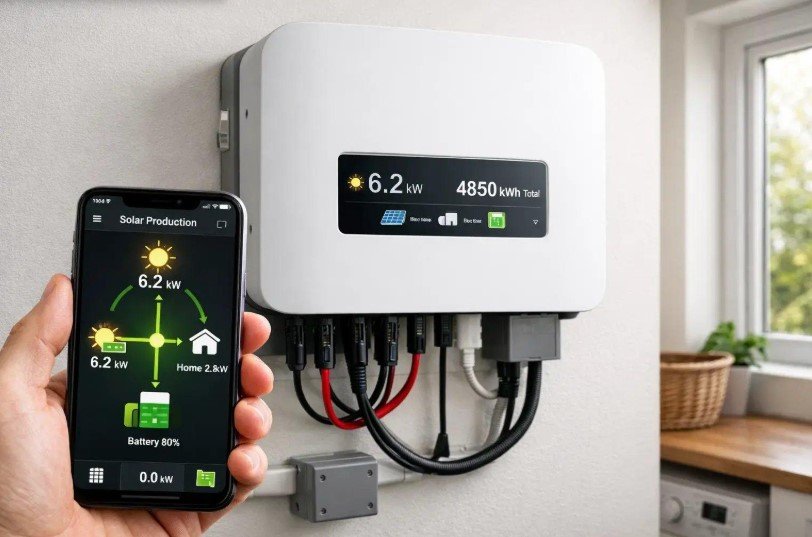
Government support can make renewable-energy improvements more affordable, but homeowners should understand which schemes are actually available to them.
The Energy Saving Trust states that there are no dedicated universal government grants specifically for solar panels, although support may be available through wider home-energy programmes and other arrangements. with Solar Monitoring Systems and Energy Saving Trust
Warm Homes Plan
The Warm Homes Plan is a government programme intended to help improve the energy efficiency of UK homes.
Its proposed support includes investment in renewable technologies and home-energy improvements.
However, eligibility, funding arrangements and availability depend on the specific scheme and its implementation. Homeowners should check current official requirements before including any grant in their installation budget.
Zero VAT on solar panel installation
An important financial benefit in 2026 is the zero rate of VAT on qualifying residential solar panel installations.
For eligible installations, the zero rate currently applies until 31 March 2027. The standard reduced rate of 5% is scheduled to apply from 1 April 2027, subject to the applicable VAT rules.
This can reduce the upfront cost of installing solar panels and qualifying battery storage. SolarPanelCosts+1
ECO4 and other energy-efficiency schemes
Homeowners may also encounter the ECO4 scheme and other energy-efficiency funding programmes.
However, funding eligibility depends on the scheme’s requirements, participating providers and current availability. Do not assume that every household or solar installation qualifies.
How Long Does It Take for Solar Panels to Pay for Themselves?
The solar panel payback period is the time required for the financial benefits of the installation to recover its initial cost.
For example, if you spend £7,000 installing solar panels and receive an average annual financial benefit of £600, the simple payback calculation is:
\[ \text{Payback Period} = \frac{\text{Initial Installation Cost}}{\text{Annual Financial Benefit}} \]
\[ = \frac{£7,000}{£600} = 11.67 \text{ years} \]
What is the typical solar panel payback period in the UK?
The Energy Saving Trust’s current estimates indicate payback periods of approximately 9–12 years across several UK locations, based on its stated assumptions and electricity prices in July 2026. Actual results will depend on the property and household’s electricity usage. Energy Saving Trust
How can you achieve a shorter payback period?
You can potentially improve the financial performance of your solar installation by:
- Choosing an appropriately sized system.
- Using more solar electricity during daylight hours.
- Running suitable household appliances when generation is high.
- Comparing competitive SEG export tariffs.
- Avoiding unnecessary installation expenses.
- Selecting equipment with suitable performance and warranty terms.
Battery storage may improve self-consumption, but its additional cost should be included in the payback calculation.
Are Solar Panels Worth Installing in UK in 2026?
For many UK households, solar panels can be a worthwhile long-term investment.
They provide an opportunity to generate renewable electricity, reduce reliance on imported grid electricity and potentially earn additional income through eligible export tariffs.
However, the financial benefits depend on the initial installation cost, household energy requirements and system performance.
Main benefits of solar panel installation
Reduced electricity bills: Generate electricity for household appliances and reduce the amount purchased from your supplier.
- Renewable energy generation: Solar panels produce electricity without directly burning fossil fuels during operation.
- Energy independence: Generate some of your own electricity rather than relying entirely on the National Grid.
- Battery compatibility: Store surplus electricity for later household use.
- Export payments: Eligible systems can receive payments for electricity exported through the Smart Export Guarantee.
- Long-term energy planning: Solar panels can form part of a wider home-energy system alongside battery storage, electric vehicle charging and heat pumps.
When might solar panels be less suitable?
Solar installation may be less financially attractive if:
- Your roof receives significant shade.
- Your roof requires major repairs.
- Your electricity consumption is very low.
- Your installation quotation is unusually expensive.
- You plan to move before recovering the initial investment.
A professional assessment can help determine whether solar panels are suitable for your property.
How to Choose the Right Solar Panel Installation Company in the UK
Selecting the right solar installer Uk is just as important as choosing the solar panels.
A reliable company should assess your property, understand your electricity requirements and recommend a system that matches your budget.
Before signing an installation agreement, consider the following points.
Check installer certification
Look for an appropriately certified installer, such as an installer certified under the Microgeneration Certification Scheme (MCS), where applicable.
Certification can be important for installation standards and eligibility for certain export arrangements.
Compare multiple quotations
Request quotations from at least two or three installers.
Compare:
- Total system capacity.
- Solar panel manufacturer and model.
- Inverter specifications.
- Battery storage options.
- Installation labour.
- Product and workmanship warranties.
- Estimated annual electricity generation.
- Certification and grid connection arrangements.
Review product warranties
Different solar equipment manufacturers offer different warranty terms.
Check the product warranty, performance warranty and inverter or battery warranty separately.
Also ask who will handle any warranty claim if the manufacturer or installer stops trading.
Request a property assessment
A professional solar assessment should consider roof orientation, shading, available roof space, electrical infrastructure and household consumption.
This helps prevent the installation of an incorrectly sized system.
Why Consider Effective Eco for Solar Panel Solutions?
Choosing a suitable renewable-energy company can make the process of purchasing and installing solar equipment easier.
Effective Eco provides renewable-energy solutions with our Solar Installation Projects like for residential and commercial customers in the UK, including solar panel products, supply and installation services.
The company focuses on helping customers identify suitable renewable-energy systems according to their property requirements and energy objectives.
Its solar-related solutions include:
- Solar panel supply: Solar equipment for residential and commercial applications.
- Solar panel installation: Professional installation solutions for suitable properties.
- Solar battery storage: Battery systems designed to store surplus solar electricity.
- Solar monitoring: Systems that help customers monitor solar energy production and performance.
- Commercial solar solutions: Solar installations for business premises.
- Inverter solutions: Equipment for converting solar-generated electricity into usable household or commercial electricity.
Whether you are planning a new residential installation or considering a larger commercial solar project, choosing the correct system starts with understanding your energy consumption, roof conditions and budget.
Visit Effective Eco to learn more about its renewable-energy products and services, or request information about a suitable solar solution.
Final Thoughts: What Should You Budget for Solar Panels in 2026?
The cost of installing solar panels in the UK in 2026 depends on your property’s energy requirements, roof condition, system capacity and choice of equipment.
For a typical household, a 4kW solar installation may cost approximately £6,200–£8,000, while adding battery storage can increase the overall investment to around £10,000–£14,500.
Before making a decision, compare installation quotations, check the equipment specifications, assess potential electricity savings and consider whether battery storage is financially worthwhile.
The best solar installation is not necessarily the cheapest or largest system. It is the one that meets your household’s electricity requirements, fits your available roof space and provides reasonable long-term value.
Frequently Asked Questions About Solar Panel Costs in the UK
1. How much do solar panels cost in the UK in 2026?
A typical 4kW residential solar panel system costs approximately £6,200–£8,000, including standard installation. The final price depends on panel quality, roof conditions, inverter specifications and installation requirements.
2. How much does it cost to install solar panels on a 3-bedroom house?
A typical 3-bedroom property may require a 3.5–4.5kW solar system, costing approximately £6,000–£8,500 without battery storage. Adding a battery will increase the initial investment.
3. How much does a 4kW solar panel system cost in the UK?
A 4kW solar PV system generally costs around £6,200–£8,000, including standard installation. Additional expenses may apply for battery storage, roof repairs or electrical upgrades.
4. Are solar panels cheaper in the UK in 2026?
Some installation costs have decreased compared with previous years. Government installation data for 2025/26 indicates a reduction in the median installed cost per kW for smaller solar systems. However, individual quotations still vary by location and installation requirements. Which?+1
5. How much does solar battery storage cost in the UK?
A residential solar battery typically costs approximately £2,500–£9,000 installed, depending on its capacity, manufacturer and compatibility with the solar system.
6. Can solar panels eliminate electricity bills completely?
Solar panels can significantly reduce electricity bills, but they do not automatically eliminate them. Households may still need electricity from the grid when solar generation is insufficient, particularly during winter and overnight.
7. Do solar panels work during cloudy weather in the UK?
Yes. Solar panels generate electricity during cloudy weather because they can use daylight as well as direct sunlight. However, electricity production is generally lower than on bright, sunny days.
8. Can I sell unused solar electricity back to the National Grid?
Yes. Eligible homeowners in Great Britain can receive payments through the Smart Export Guarantee (SEG) for surplus electricity exported to the grid. Payment rates and contract conditions depend on the electricity supplier.
9. Are solar panels VAT-free in the UK in 2026?
Qualifying residential solar panel installations currently benefit from 0% VAT until 31 March 2027. The applicable VAT treatment depends on the installation and the relevant HMRC conditions.
10. How long do solar panels take to pay for themselves?
The payback period depends on installation costs, electricity prices, household consumption and export payments. The Energy Saving Trust currently estimates approximately 9–12 years for several UK locations under its stated assumptions.
11. Do I need planning permission to install solar panels in the UK?
Many domestic rooftop solar installations fall under permitted development rights. However, restrictions may apply to listed buildings, conservation areas and certain property types. Check the relevant local planning authority requirements before installation.
12. Is solar battery storage worth buying in 2026?
Battery storage can be worthwhile for households that use substantial electricity during evenings or when solar panels are not generating electricity. However, compare the additional installation cost with potential savings before purchasing.